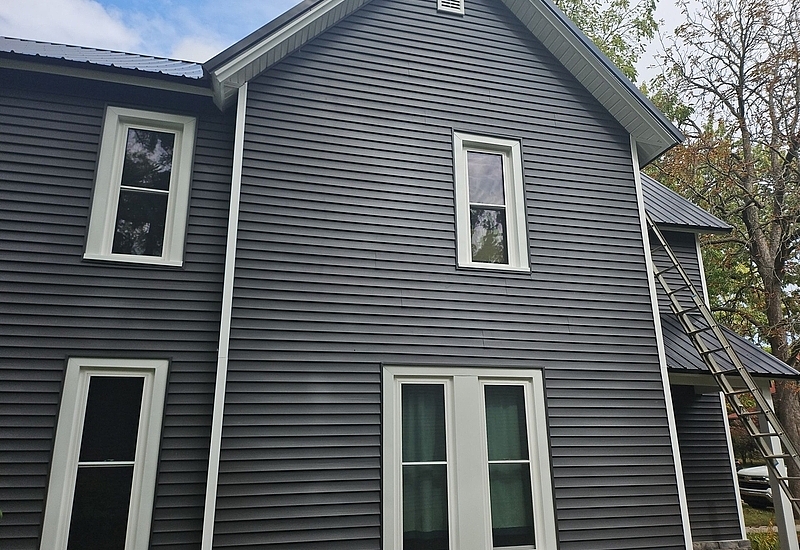


Is Drafty Air Sneaking Into Your Mt. Pleasant Home From the Attic?
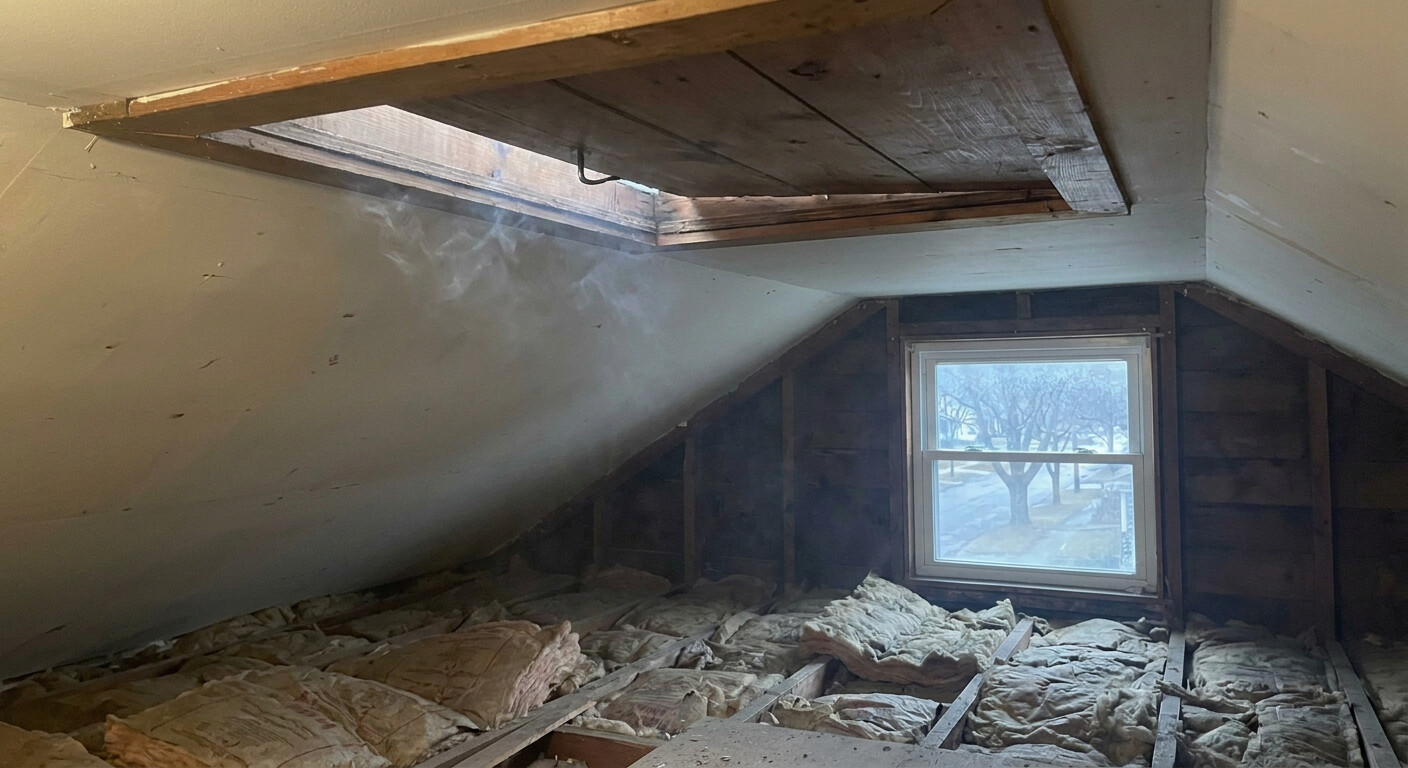
Most homeowners blame the windows when they feel a chill. Or they check the doors. But the real problem? It's often sitting right above your head. Your attic isn't just dead space for holiday decorations—it's a gateway for air you don't want and energy loss you can't afford. If your Mt. Pleasant home feels drafty even when everything's locked up tight, the attic is probably the reason.
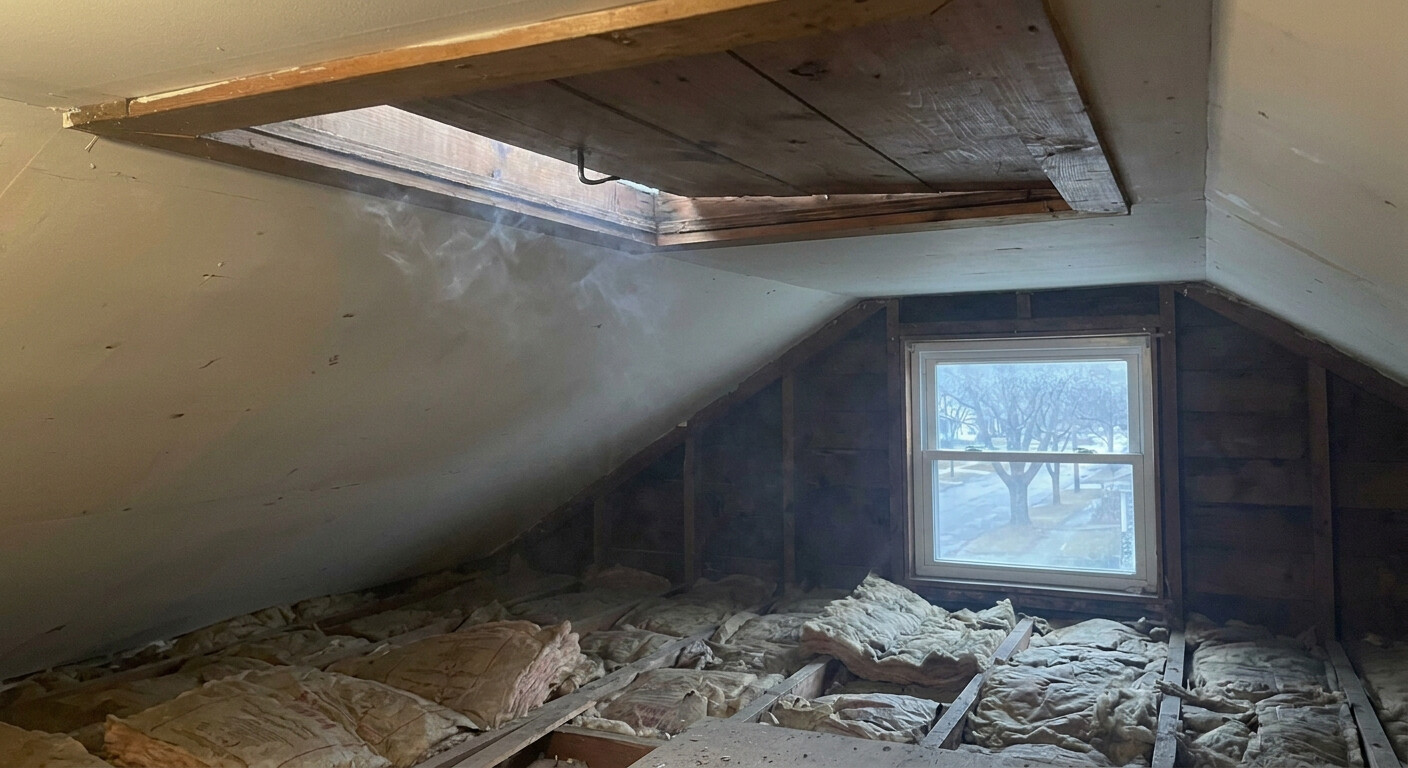
Here's what matters. Air doesn't care about your thermostat settings. It moves through gaps, cracks, and poorly sealed spaces. And when your attic isn't buttoned up, it becomes a highway for outdoor air to flood your living space. That means discomfort, higher bills, and an HVAC system that's working overtime for nothing.
Your Attic Controls More Than You Think
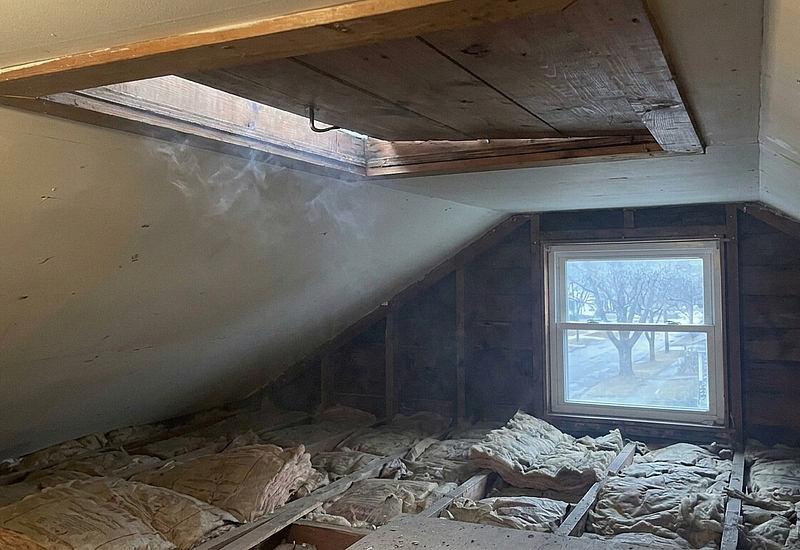
The attic sits between your conditioned rooms and the outside world. When it's sealed and insulated properly, it acts like a shield. When it's not, it's a liability. Mt. Pleasant weather swings from hot summers to cold snaps, and your attic takes the brunt of both. If there's no barrier stopping that outdoor air from creeping down into your home, you're going to feel it—and pay for it.
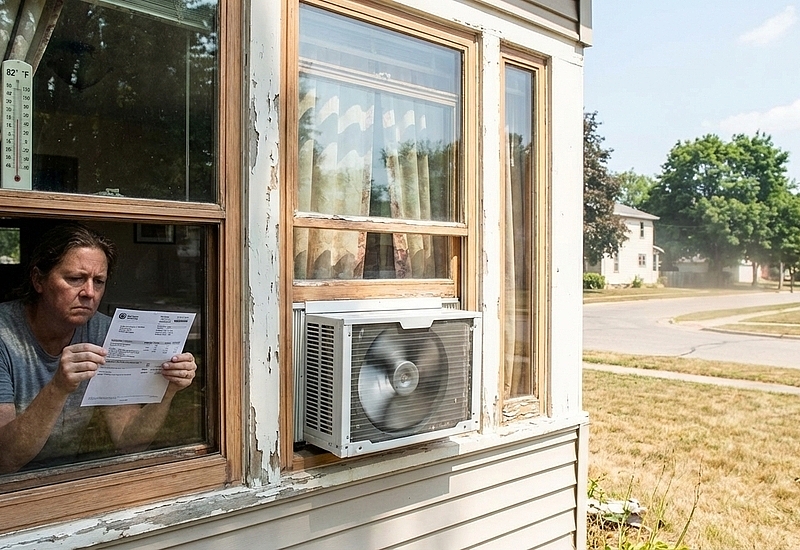
This isn't about comfort alone. A leaky attic forces your heating and cooling systems to run longer and harder. That's wasted energy. Wasted money. And it all stems from gaps you probably didn't know existed.
Where the Air Gets In
Drafts don't appear out of nowhere. They follow predictable paths, and most of them start in the attic. If you're serious about stopping them, you need to know where to look.
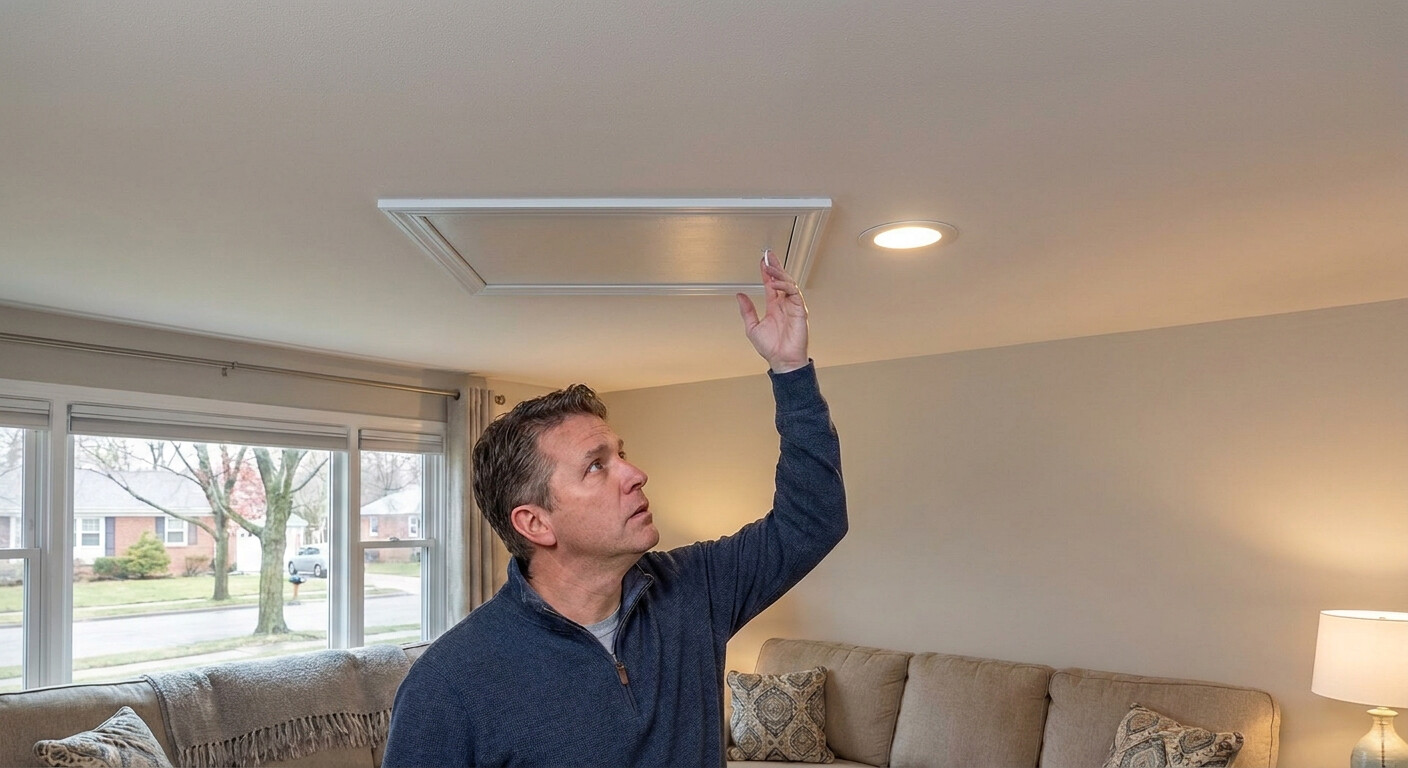
- Gaps around attic hatches and access doors that were never sealed right
- Recessed lighting fixtures that punch holes straight through your ceiling
- Plumbing and electrical penetrations with zero caulking or foam
- Insulation that's old, compressed, or missing in key areas
- Ductwork running through the attic with leaks you can't see but definitely feel
- Exhaust fans venting into the attic instead of outside, creating pressure problems
How to Know If Your Attic Is the Problem
You don't need an energy audit to spot the warning signs. If your home is drafty and your bills are climbing, the attic is a prime suspect. Pay attention to what's happening in the rooms directly below it.
- Temperature swings between floors or rooms that don't make sense
- Cold drafts near ceiling fixtures or vents
- Energy bills that spike without explanation
- Dust collecting around light fixtures or attic access points
- Visible gaps or cracks when you inspect the attic hatch
If any of these sound familiar, you're dealing with attic air infiltration. And it's not going to fix itself.
Seal It Up or Keep Paying
Stopping drafts means closing the gaps. You can't insulate your way out of air leaks—you have to seal first, then insulate. That's the order that works.
Start with the obvious spots. Attic hatches need weatherstripping. Gaps around wiring, pipes, and ducts need caulk or expanding foam. Recessed lights need airtight covers if they're not IC-rated. And if your ductwork is leaking, seal it with mastic or foil tape—not duct tape, which fails fast.
Insulation Only Works If Air Can't Move
Once the gaps are sealed, insulation does its job. But if you skip the sealing step, you're just covering up the problem. Air will still flow through, and your insulation will underperform.
- Blown-in cellulose fills gaps and covers irregular spaces
- Fiberglass batts work if installed correctly with no compression
- Spray foam seals and insulates in one step, but it's pricier
- Rigid foam boards can cover large flat areas like attic floors
Ductwork Deserves Attention Too
If your HVAC ducts run through the attic, they're a weak point. Leaky ducts dump conditioned air into unconditioned space, and they pull attic air into your home. That's a double hit on efficiency.
Inspect every joint and seam. Seal leaks with mastic or foil tape. Insulate the ducts if they're not already wrapped. And if the ducts are old or damaged, consider replacing them. It's not glamorous work, but it pays off fast.
Venting Mistakes Cost You
Bathroom and kitchen exhaust fans should vent outside—not into the attic. When they dump moisture and air into that space, they create pressure imbalances and humidity problems. That pulls attic air into your home and invites mold.
- Check where your exhaust fans terminate
- Reroute any that vent into the attic
- Use insulated ducting to prevent condensation
- Make sure the exterior vent cap opens and closes properly
What You Gain by Fixing It
A sealed attic doesn't just stop drafts. It stabilizes temperatures, lowers energy bills, and reduces wear on your HVAC system. You'll notice fewer cold spots, less dust, and a home that feels consistent from room to room.
Beyond comfort, you're protecting your home from moisture damage and mold. You're also boosting resale value. Buyers care about energy efficiency, and a well-sealed attic is proof you've maintained the home properly.
DIY or Call a Pro
Some attic sealing work is straightforward. Caulking gaps, adding weatherstripping, and sealing small penetrations are all doable for most homeowners. But if you're dealing with extensive air leaks, old insulation, or ductwork issues, bring in a professional.
- Energy auditors can pinpoint leaks with blower door tests and thermal imaging
- Insulation contractors handle large-scale upgrades safely and efficiently
- HVAC techs can seal and insulate ductwork properly
- General contractors can address structural issues that contribute to air leaks
Stop Ignoring What's Above You
Your attic isn't neutral. It's either helping your home stay comfortable and efficient, or it's working against you. If drafts are sneaking in and energy bills are climbing, the attic is where you start. Seal the gaps, upgrade the attic insulation, and fix the ductwork. It's not complicated, but it's not optional either. Mt. Pleasant homeowners who take this seriously end up with homes that feel better and cost less to run. The ones who don't? They keep paying for air they never wanted in the first place. Professional remodeling services can help address these issues comprehensively, and a thorough home energy checkup can identify exactly where your home is losing efficiency.
Let's Make Your Home Comfortable Again
We all deserve a home that feels just right, no matter the season. If you're tired of drafts and rising energy bills, let's tackle those attic issues together. Give us a call at 989 833-1000 or request a quote today and see how easy it is to reclaim comfort and efficiency in your Mt. Pleasant home.
‹ Back