


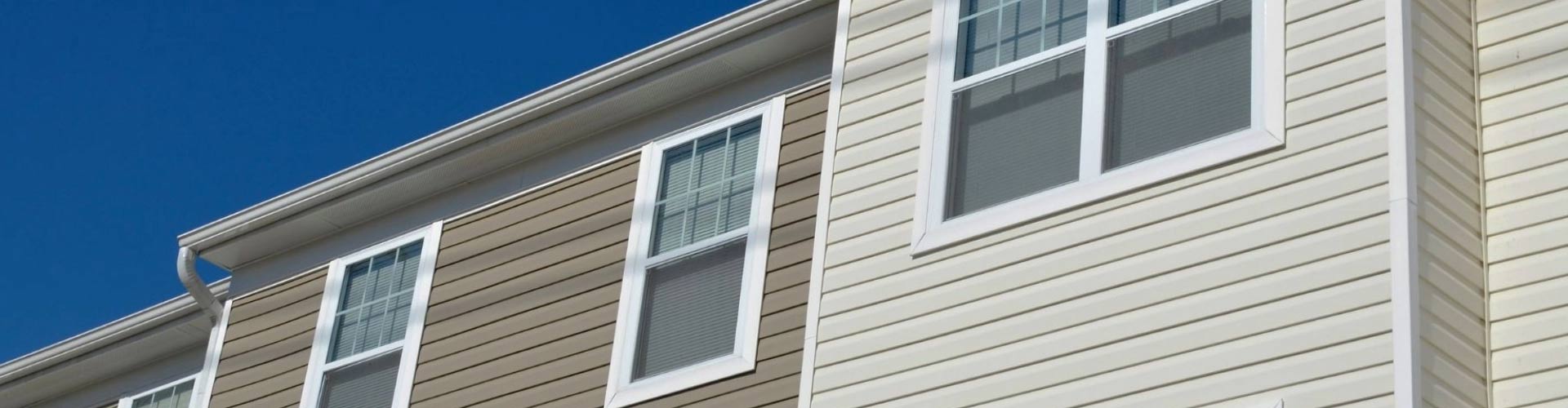
Could Your Mt. Pleasant Roof Be Causing Indoor Temperature Swings?
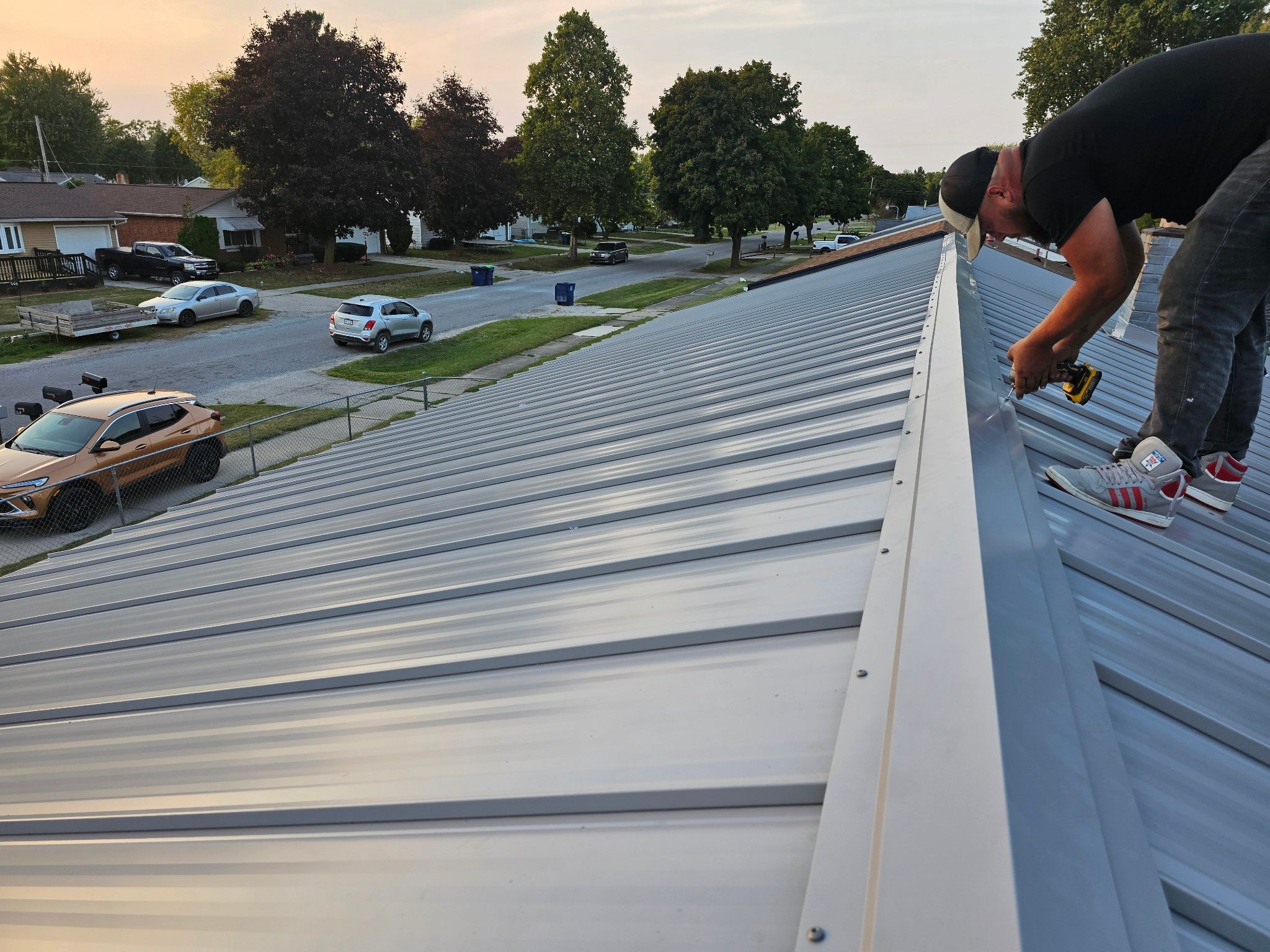
Most homeowners blame the thermostat when rooms feel like saunas one hour and iceboxes the next. But the real problem might be sitting twenty feet above your head. Your roof isn't just shingles and plywood—it's the barrier between you and everything the South Carolina climate throws at your house. When that barrier fails, your indoor comfort goes with it.
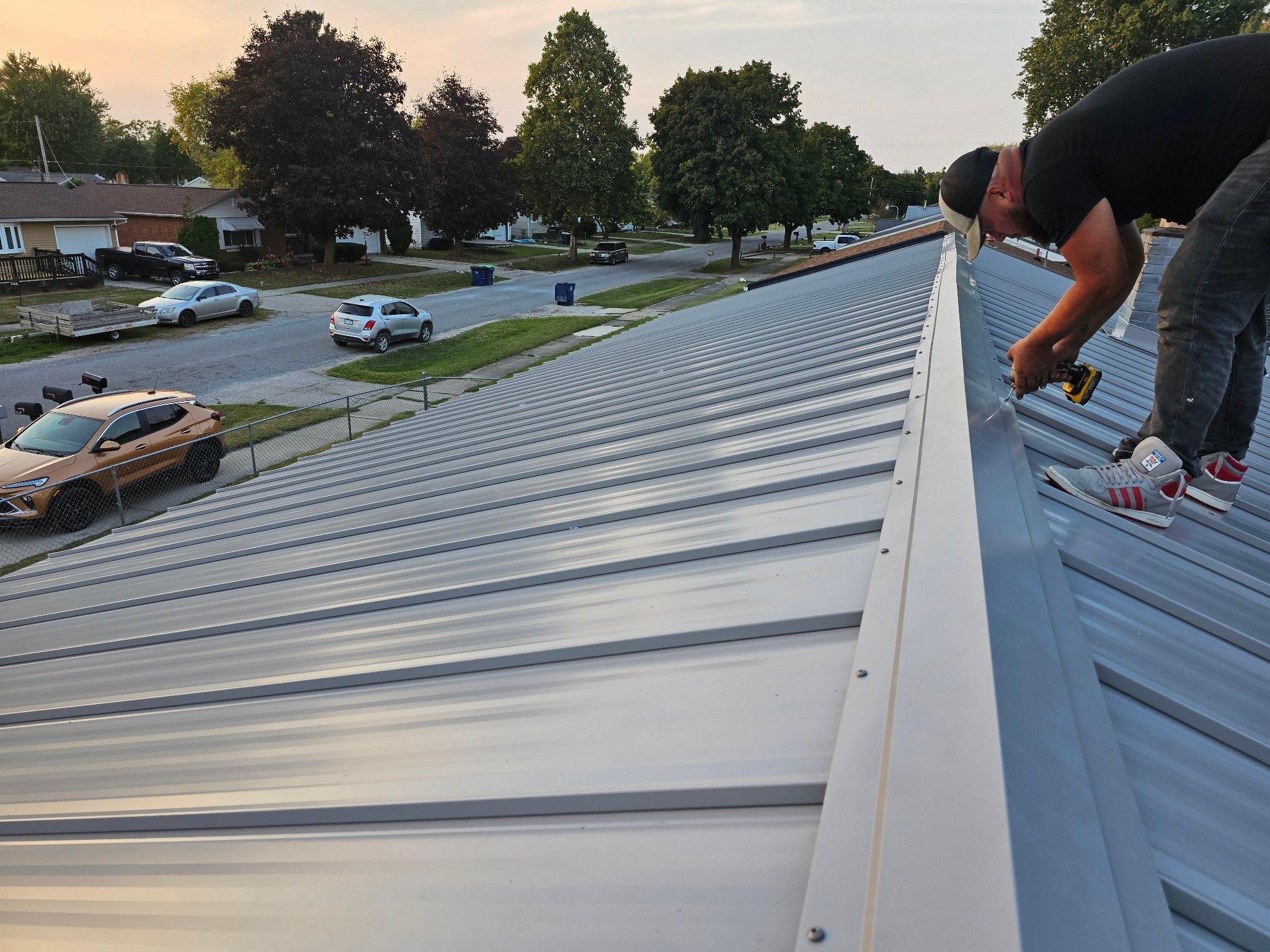
We've seen it play out across Mt. Pleasant properties time and again. A roof that looks fine from the curb can still be bleeding heat, trapping moisture, or letting conditioned air escape faster than your HVAC system can keep up. And if you're cranking the AC in July or piling on blankets in January, you're not just uncomfortable—you're paying for a problem that won't fix itself.
Your Roof Controls More Than You Think
Every square foot of roofing material absorbs solar radiation during the day. In Mt. Pleasant summers, that means your roof can hit temperatures well above 150 degrees. Without proper insulation or ventilation, that heat doesn't stay outside—it radiates down into your attic, then into your living spaces. Your AC fights back, but it's a losing battle when the heat source is constant and uncontrolled.
Winter flips the script. Heat rises, and if your roof isn't sealed and insulated correctly, warmth escapes through gaps, vents, and poorly installed materials. You're left with cold spots, drafts, and an energy bill that doesn't match the comfort level inside. The roof isn't just a cap on your house—it's the regulator. When it's compromised, everything else suffers.
What's Actually Going Wrong Up There
Temperature swings don't happen by accident. There's usually a specific failure point—or several—that's letting your roof underperform. Some of these issues are invisible from ground level, which is why they go unnoticed until the discomfort becomes unbearable.
- Insulation that's compressed, missing, or installed incorrectly leaves thermal gaps that let heat flow freely in both directions
- Blocked or insufficient attic ventilation traps hot air and moisture, turning your attic into a heat reservoir that radiates downward all day and night
- Dark or low-quality roofing materials absorb excessive heat instead of reflecting it, amplifying the thermal load on your home
- Aging roofs develop cracks, loose shingles, and gaps that allow air infiltration and reduce the roof's ability to insulate effectively
- Improperly sealed penetrations around vents, chimneys, and skylights create pathways for conditioned air to escape and outdoor air to enter
The Warning Signs Are Already There
If your roof is causing temperature problems, your home is probably already telling you. You just need to know what to look for. These aren't subtle hints—they're red flags that something's broken and needs attention before it gets worse.
- Certain rooms stay hot or cold no matter how much you adjust the thermostat
- Your energy bills keep climbing even though your usage habits haven't changed
- Ceilings feel warm to the touch in summer or cold in winter
- The attic is noticeably hotter or more humid than it should be
- You spot visible damage like missing shingles, sagging sections, or water stains on the ceiling
Fixing the Problem Starts With the Right Moves
Once you know the roof is the issue, the next step is addressing it strategically. Some fixes are straightforward, others require professional intervention, but all of them pay off in comfort and lower energy costs. The key is tackling the root cause, not just masking symptoms with a more powerful HVAC system.
- Boost attic insulation with materials rated for your climate zone—spray foam, blown cellulose, or high-R-value batts can make a dramatic difference
- Install or upgrade ventilation systems like ridge vents, soffit vents, or powered attic fans to keep air moving and prevent heat buildup
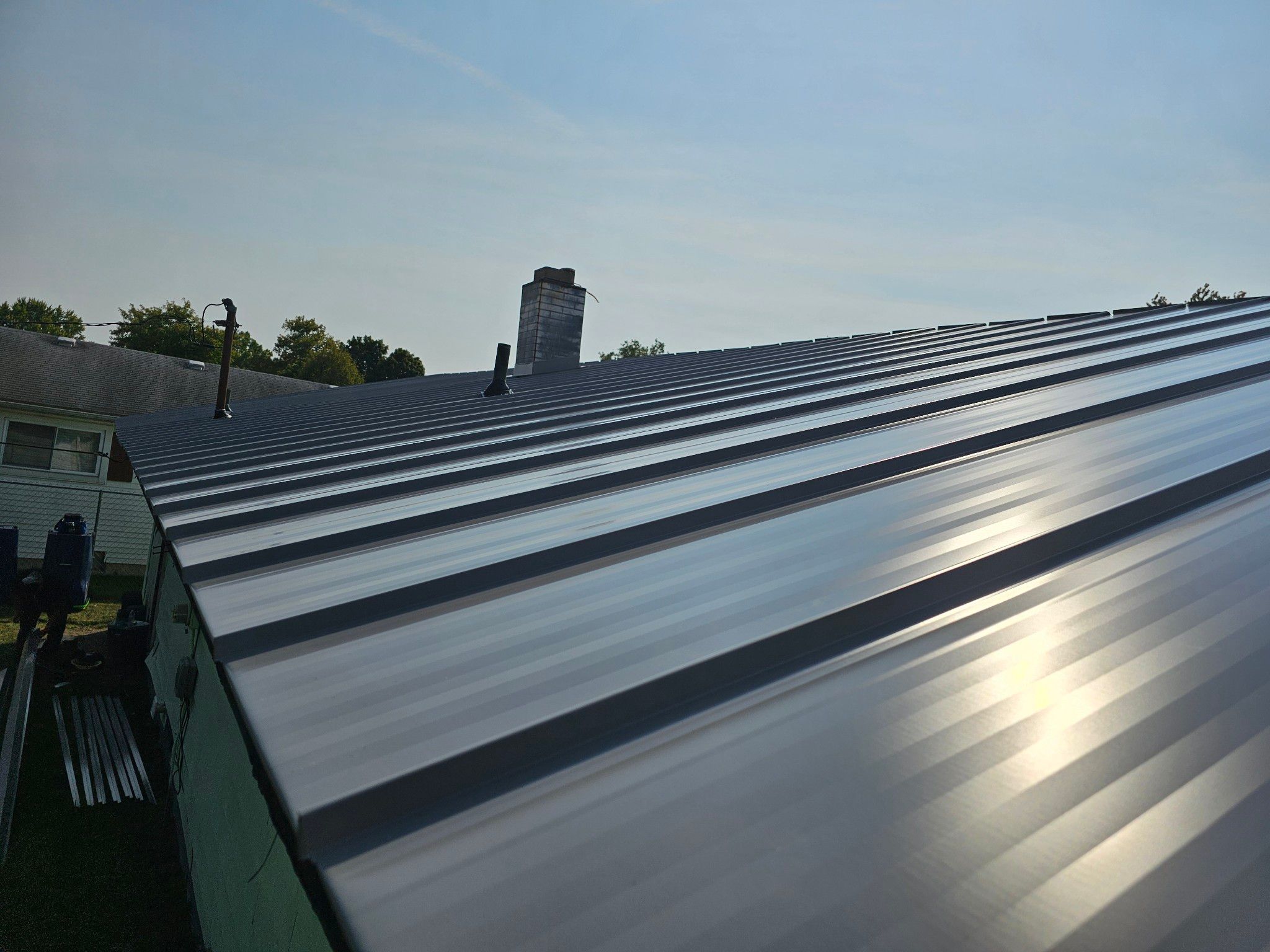
- Switch to reflective or cool roofing materials during your next replacement—metal roofs and light-colored shingles reject more solar heat than traditional dark asphalt
- Seal all penetrations, flashing, and joints to eliminate air leaks that compromise your roof's thermal performance
- Schedule annual inspections to catch small problems before they turn into expensive repairs or total system failures
When DIY Isn't Enough
Some homeowners can handle basic insulation upgrades or ventilation improvements on their own. But if you're dealing with structural issues, extensive damage, or a roof that's past its prime, bringing in a professional isn't optional—it's the smart move. A qualified contractor can assess the full scope of the problem, recommend solutions that actually work for your specific roof and climate, and execute the work safely and correctly the first time.
We've seen too many band-aid fixes that waste money and don't solve the underlying issue. A proper evaluation includes checking insulation levels, ventilation flow, material condition, and thermal performance. If the contractor isn't looking at all of those factors, they're not giving you the full picture.
Comfort You Can Count On
Your roof shouldn't be the reason you're uncomfortable in your own home. When it's doing its job—insulating, ventilating, and reflecting heat properly—you'll notice the difference immediately. Rooms stay consistent. Energy bills drop. Your HVAC system runs less and lasts longer. And you stop wondering why one side of the house feels like a different season than the other.
If you're tired of fighting temperature swings and paying for comfort you're not getting, it's time to look up. The solution might be simpler than you think, but it won't happen on its own. Get your Mt. Pleasant roofing inspected, identify what's failing, and fix it with professional roofing services before another season of discomfort and wasted energy passes you by.
Let’s Solve Your Roofing Worries Together
We know how frustrating it is to chase comfort from room to room, only to be let down by a roof that isn’t pulling its weight. Let’s put an end to those temperature swings and rising energy bills—together. Give us a call at 989 833-1000 to talk with our team, or request a quote and see how we can make your Mt. Pleasant home comfortable year-round.
‹ Back
Recent Posts
-
-
-
-
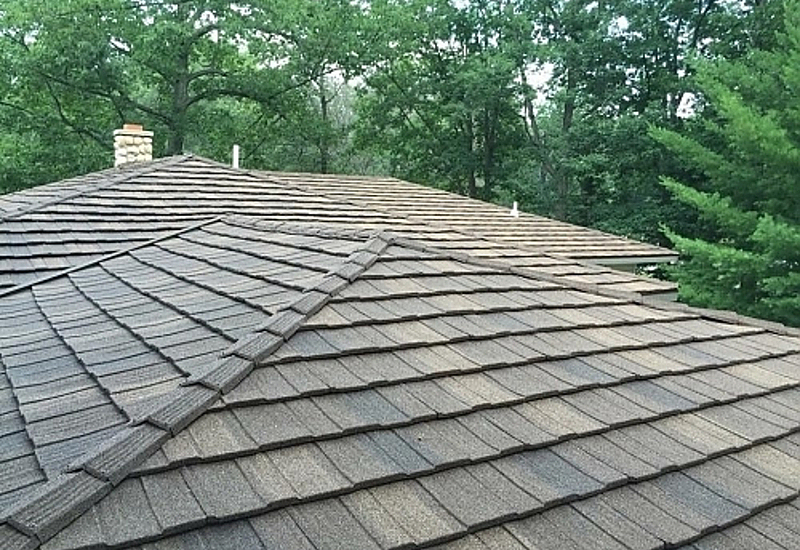
Signs It Might Be Time to Replace the Roof on Your Mt. Pleasant Home
February 6, 2026
-
How New Windows Can Make Mt. Pleasant Homes More Comfortable
January 23, 2026