


Do Your Mt. Pleasant Gutters Struggle During Heavy Rainstorms?
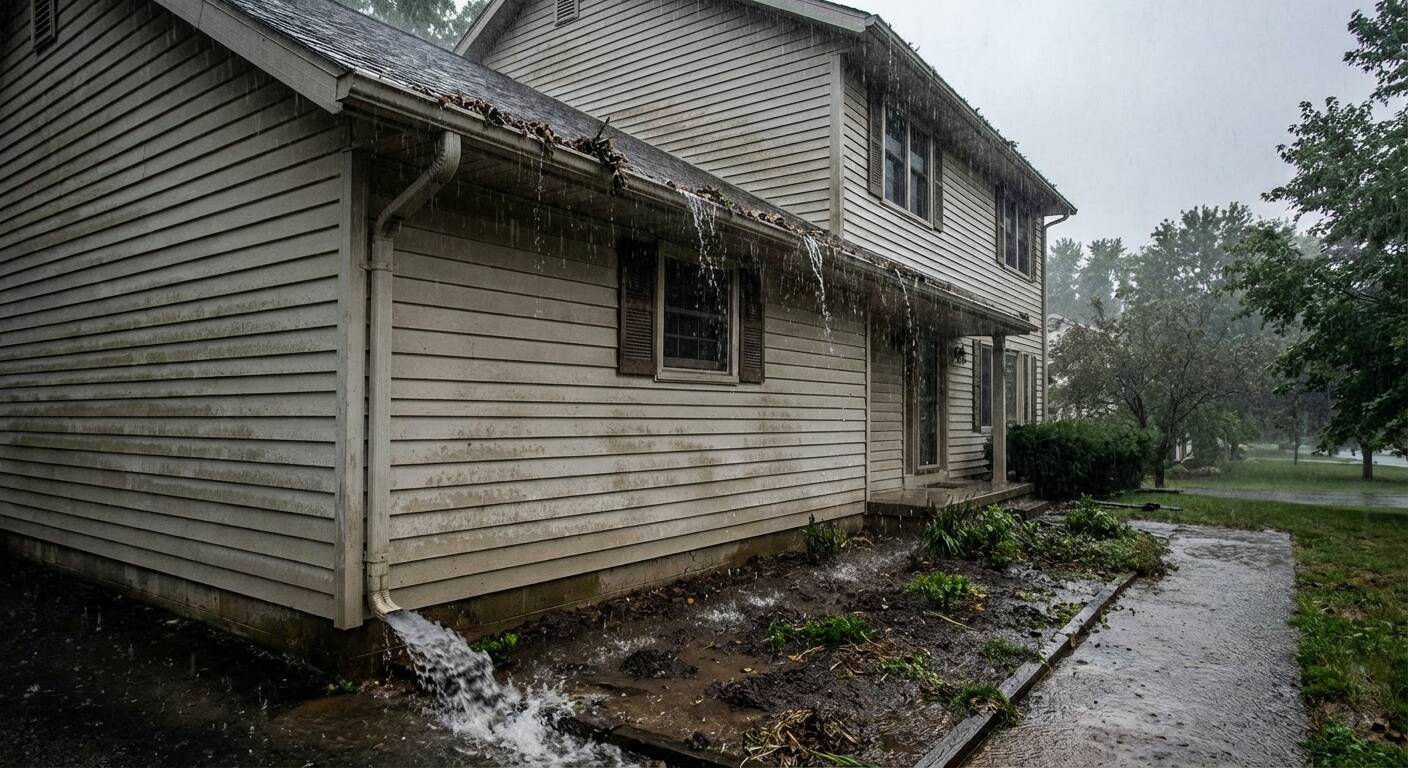
Most Mt. Pleasant homeowners think gutters are just about keeping water off the roof. Rain falls, gutters catch it, problem solved. But the reality is messier than that — and if you're not paying attention, you're setting yourself up for foundation cracks, mold blooms, and landscaping that looks like a mudslide hit it. Gutters may seem simple, but they leave a mark on your property when they fail. Especially during the kind of downpours we get in the Lowcountry.
So here's the truth. If you're living in Mt. Pleasant and your gutters can't handle a heavy storm, that's not just annoying. It's expensive. Every overflow should have you asking questions. Every puddle near your foundation needs attention. And every repair decision should be grounded in what's actually failing — not just what looks bad from the curb.
When Gutters Can't Keep Up
Most of the time, gutters work fine in light rain. Water trickles in, flows toward the downspouts, and disappears into the yard. That's the system doing its job. But when a storm dumps two inches in an hour? Different story. Suddenly you've got water pouring over the edges, pooling against your siding, and carving trenches through your mulch beds.
We see this play out constantly in Mt. Pleasant. Plenty of homeowners assume their gutters are fine — until they're not. And when overflow gets ignored, the damage compounds fast. Foundation settling, basement seepage, rotted fascia boards. The kind of problems that don't announce themselves until the bill shows up.
The Usual Suspects Behind Gutter Failure
Want to know why your gutters are struggling? Start with the basics. Most failures come down to a handful of predictable issues that pile up over time.
Here's what we see most often:
- Clogged channels: Pine needles, oak leaves, and roof grit build up fast. Once the flow gets blocked, water has nowhere to go but over the side.
- Wrong pitch: Gutters need a slight angle to move water toward the downspouts. If the slope is off, water sits and eventually spills.
- Too few downspouts: You can't funnel a river through a straw. If your system doesn't have enough outlets, the water backs up during heavy rain.
- Loose or damaged sections: Storms, falling branches, and age can knock gutters out of alignment or create leaks that turn into waterfalls.
- Undersized gutters: Older homes often have narrow gutters that can't handle the volume modern storms throw at them.
What Overflow Actually Looks Like
You don't need a degree in hydrology to spot a failing gutter system. The signs are obvious if you know where to look — and most of them show up during or right after a storm.
Watch for these red flags:
- Water cascading over the gutter edges instead of flowing through the downspouts
- Puddles forming along your foundation or near basement windows
- Streaks of mildew or discoloration running down your siding
- Gutters sagging or pulling away from the roofline
- Eroded soil or washed-out flower beds beneath the roofline
- Damp spots or leaks inside your basement after heavy rain
If any of these are happening at your place, the problem isn't going to fix itself. And waiting until the next hurricane season to deal with it is asking for trouble.
How to Stop the Overflow
Fixing gutter problems isn't rocket science, but it does require consistency. You can't just clean them once and call it done. Mt. Pleasant's tree cover and storm frequency mean your gutters need regular attention — not just when something breaks.
Here's what actually works:
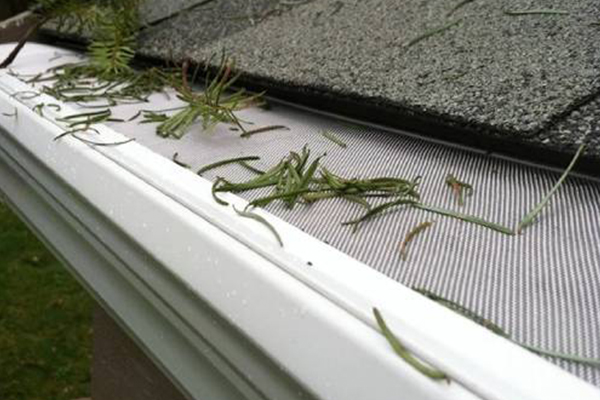
- Clear debris regularly: Twice a year minimum, more if you've got oaks or pines overhead. Gutter guards help, but they're not magic.
- Check the slope: Gutters should tilt slightly toward the downspouts. If water's pooling, adjust the hangers.
- Seal leaks and tighten brackets: Small leaks turn into big problems. Patch them early and make sure everything's secure.
- Add more downspouts: If water's backing up, you probably need more exit points. Don't try to make one downspout do the work of three.
- Upgrade to wider gutters: If your current system is overwhelmed, moving to six-inch gutters can double your capacity.
- Extend downspouts away from the house: Water needs to drain at least three feet from your foundation, not right next to it.
When DIY Isn't Enough
Some gutter issues are straightforward. You grab a ladder, scoop out the leaves, and you're done. But if your system is sagging, leaking in multiple spots, or just can't handle the volume no matter what you do, it's time to bring in someone who knows what they're doing.
A local Mt. Pleasant gutter pro can assess whether your system needs repairs, adjustments, or a full replacement. They'll also catch problems you might miss — like improper installation, hidden leaks, or structural issues that are causing the gutters to fail in the first place.
Where Homeowners Drop the Ball
Most gutter problems don't start with a catastrophic failure. They start with small mistakes that snowball over time.
Here's where people mess up:
- Ignoring maintenance until something breaks: Waiting for a disaster to clean your gutters is like waiting for a flat tire to change your oil. It doesn't work.
- Assuming gutter guards mean zero maintenance: Guards reduce debris, but they don't eliminate it. You still need to check and clean periodically.
- Skipping the downspout extensions: If water's dumping right next to your foundation, you're just moving the problem six feet closer to your basement.
- Using the wrong tools or techniques: Trying to fix a pitch problem without a level, or patching leaks with the wrong sealant, just creates more work later.
- Not documenting recurring issues: If the same section keeps overflowing, that's a sign of a bigger problem. Track it and fix the root cause.
Keep Your Foundation Dry and Your Yard Intact
Taking on gutter maintenance isn't glamorous. But letting your system fail during a storm — and dealing with the water damage afterward — that's where homeowners get caught off guard. There's no excuse for ignoring overflow when the fixes are straightforward. But there's also no forgiveness when you let small problems turn into foundation repairs.
We help Mt. Pleasant homeowners protect their properties with gutter systems that actually work — not just during light drizzle, but when the skies open up and the rain doesn't stop. If your gutters are struggling now, they'll only get worse. For professional gutter solutions and expert advice on protecting your home from storm damage, fix them before the next storm makes the decision for you.
Let’s Make Sure Your Gutters Are Ready for the Next Downpour
We know how quickly Mt. Pleasant weather can turn, and we’re here to help you stay ahead of the storms. Don’t wait for water damage to catch you off guard—let’s get your gutters working the way they should. Give us a call at 989 833-1000 or request a quote today, and together we’ll keep your home protected no matter what the forecast brings.
‹ Back
Recent Posts
-
-
-
-
-
Signs It Might Be Time to Replace the Roof on Your Mt. Pleasant Home
February 6, 2026