Are High Summer Cooling Bills in Mt. Pleasant Tied to Your Windows?
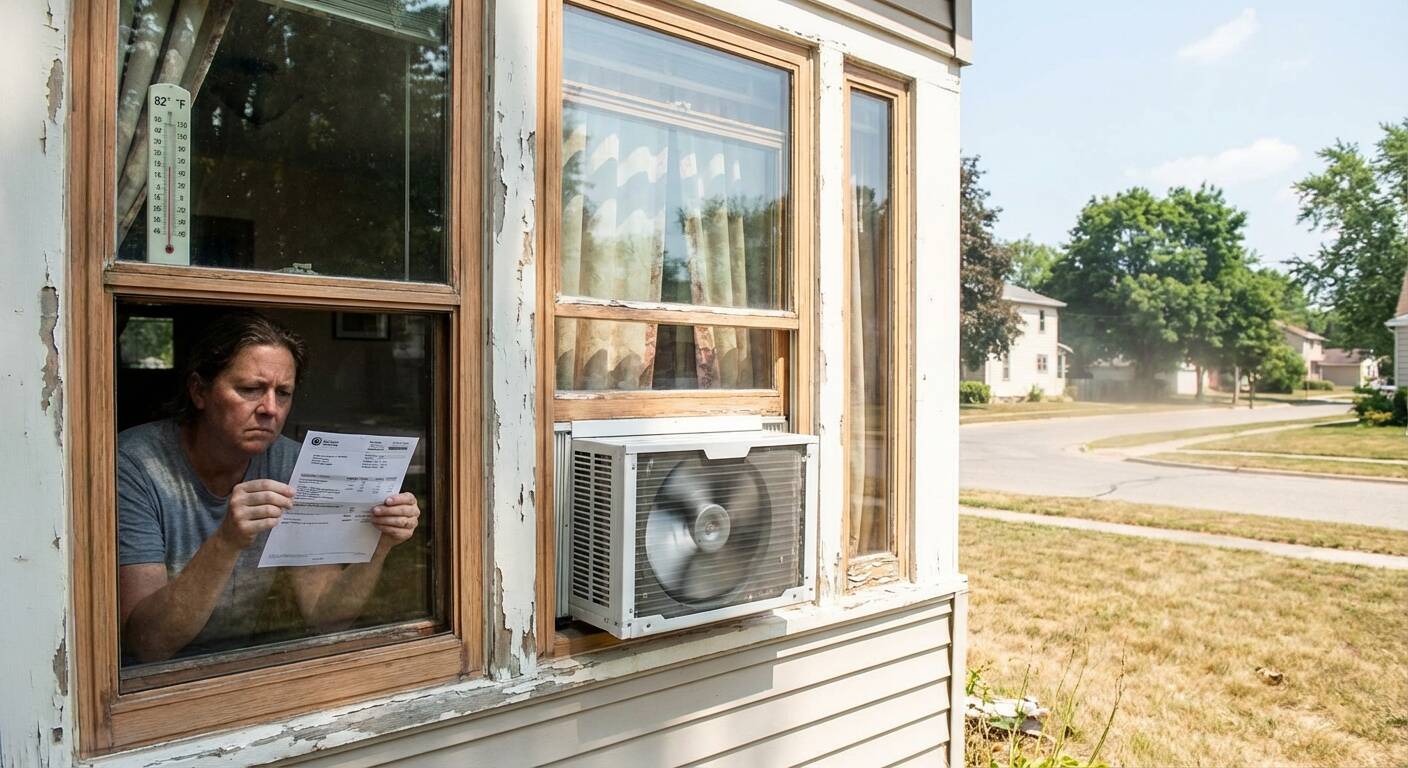
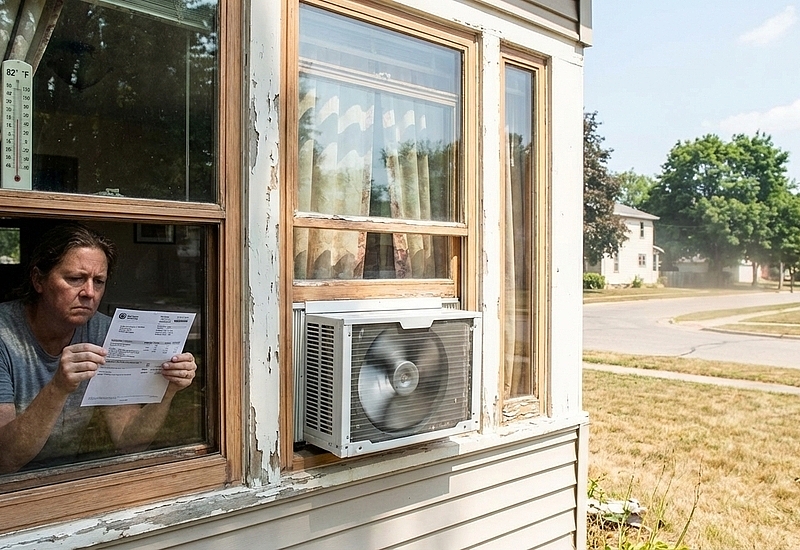
Most homeowners think high cooling bills are just about the thermostat. Set it lower, pay more. But your windows tell a different story — and if you're not paying attention, you're throwing money out the door. Windows don't just let in light. They let in heat, leak conditioned air, and force your HVAC system to work overtime. Especially when they're old, poorly sealed, or single-pane relics from another decade.
Here's what matters. If you're cranking the AC all summer and still sweating, your windows are probably the weak link. Every degree of heat gain costs you. Every gap around the frame bleeds cash. And every decision about upgrades should be grounded in how much energy you're losing — not just how the windows look from the curb.
Heat Doesn't Need an Invitation
Windows are supposed to protect your home from the elements. But when they're inefficient, they do the opposite. Single-pane glass acts like a magnifying lens for solar heat. Older seals crack and let warm air flood in. And before you know it, your AC is running nonstop just to keep up.
The Department of Energy puts it plainly: windows account for up to 30% of residential cooling costs. In Mt. Pleasant, where summer heat is relentless, that percentage climbs fast. If your Mt. Pleasant windows aren't doing their job, your energy bill reflects it. And your comfort takes the hit too.
When Your Windows Are Working Against You
You don't need a professional inspection to spot the warning signs. Most of them are obvious once you know what to look for. Drafts near closed windows mean air is moving where it shouldn't. Condensation between panes signals a failed seal. And if certain rooms feel hotter than others, your windows are likely the reason.
Fading furniture isn't just cosmetic damage — it's proof that UV rays are pouring through unchecked. If your AC runs constantly but the house never feels cool, you're fighting a losing battle. And if your energy bills keep climbing every summer, your windows are probably to blame.
Red Flags You Shouldn't Ignore
- Drafts around the frame even when windows are locked tight
- Moisture or fog trapped between double-pane glass
- Rooms that stay hot no matter how low you set the thermostat
- Furniture or flooring that fades faster near windows
- Energy bills that spike without explanation
Quick Fixes That Actually Help
Not every solution requires a full replacement. Sometimes the simplest moves make the biggest difference. Weatherstripping and caulk can seal gaps for pennies on the dollar. Reflective window film blocks heat without blocking light. And heavy curtains or cellular shades can cut solar gain by half when closed during peak hours.
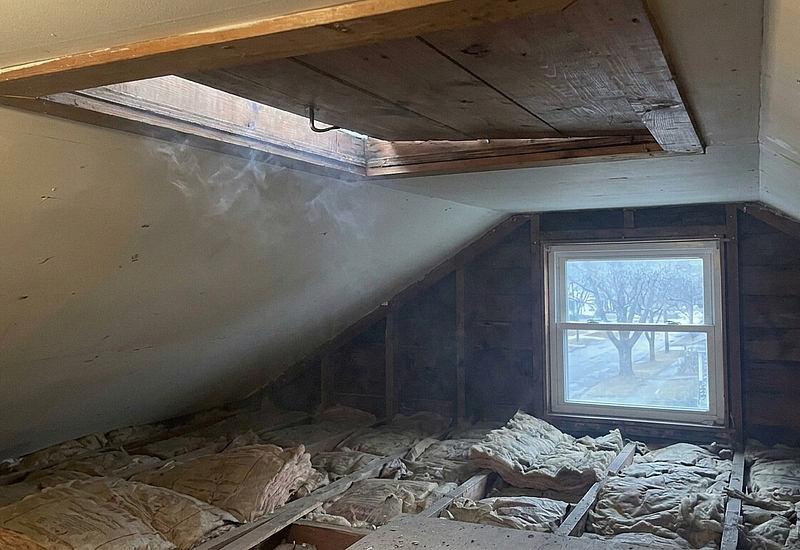
These aren't permanent fixes, but they buy you time. And if you're not ready to replace every window in your house, they're a smart way to reduce costs now while you plan for bigger upgrades later. Proper attic insulation can also help reduce heat transfer throughout your home.
Steps You Can Take Today
- Seal visible gaps with weatherstripping or caulk
- Install thermal curtains or reflective blinds
- Apply window film to reduce UV and heat gain
- Clean tracks and check seals for damage
- Schedule an energy audit to identify problem areas
When Replacement Makes Sense
If your windows are decades old, no amount of caulk will fix the underlying problem. Single-pane glass, rotting frames, and broken seals all point to one conclusion: it's time for an upgrade. Modern energy-efficient windows come with low-E coatings, insulated frames, and multi-pane glass that blocks heat without sacrificing natural light.
The upfront cost can feel steep, but the payoff is real. Lower energy bills, better comfort, and higher resale value all add up. Plus, many utility companies offer rebates for energy-efficient upgrades, which can offset a chunk of the investment. If you're planning to stay in your home long-term, new windows are one of the smartest moves you can make. Consider exploring financing options to make the investment more manageable.
What to Look for in New Windows
- Low-E coatings that reflect heat while letting light through
- Double or triple-pane glass with insulating gas fills
- Insulated frames made from vinyl, fiberglass, or composite materials
- Energy Star certification for verified performance
- Proper installation by certified professionals
Where Homeowners Lose Ground
The biggest mistake we see is waiting too long. Homeowners notice the drafts, feel the heat, and watch the bills climb — but they put off action until the problem becomes unbearable. By then, they've already wasted hundreds or thousands on excess cooling costs.
Another common misstep is assuming all windows are created equal. Cheap replacements with poor seals or thin glass won't solve the problem. You get what you pay for, and cutting corners on windows means cutting into your comfort and your wallet for years to come.
Pitfalls to Avoid
- Ignoring drafts and leaks until they get worse
- Choosing the cheapest option without checking performance ratings
- Skipping professional installation to save money
- Overlooking rebates and incentives that reduce costs
- Failing to maintain new windows after installation
The Payoff Goes Beyond the Bill
Energy-efficient windows don't just lower your cooling costs. They make your home quieter by blocking outside noise. They reduce UV damage to your furniture and floors. And they improve indoor comfort by eliminating hot spots and drafts. If you're planning to sell, they're a selling point that buyers notice and value.
We've seen homeowners recoup their investment within a few years through energy savings alone. Add in the comfort, the curb appeal, and the environmental impact, and the case for upgrading becomes even stronger. It's not just about surviving summer — it's about setting up your home to perform better year after year. A comprehensive home energy checkup can help identify all areas where you're losing efficiency.
Stop Paying for Heat You Don't Want
High cooling bills aren't inevitable. They're a symptom of inefficiency — and in most Mt. Pleasant homes, the windows are the main culprit. Whether you seal gaps, add window treatments, or invest in full replacements, every step you take reduces waste and improves comfort. The question isn't whether your windows are costing you money. It's how much longer you're willing to let them. Contact us for a free quote to see how much you could save with window replacement.
Let’s Make Your Home Comfortable Again
We know how frustrating it is to watch your energy bills climb while your home still feels hot and uncomfortable. Let’s work together to find the right window solutions that keep your Mt. Pleasant home cool and your costs down. Give us a call at 989 833-1000 to talk with our team, or request a quote and see how easy it is to start saving on your cooling bills.
‹ Back